
Baden-Baden Casino: How Nineteenth-Century Luxury Became UNESCO Heritage
In Baden-Baden, gambling was once part of a much wider holiday ritual. Visitors took the thermal waters, walked through gardens and gathered beneath the chandeliers of the Kurhaus casino. The town became a UNESCO World Heritage site in 2021 as one of the Great Spa Towns of Europe. Its casino is part of that story, although it is not separately listed by UNESCO.
How Gambling Helped Shape a Famous Spa Town
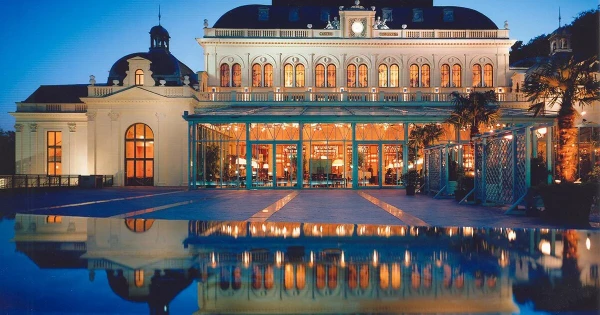
Baden-Baden’s mineral springs had drawn visitors for centuries, but the nineteenth century transformed the resort. Architect Friedrich Weinbrenner designed the Kurhaus, completed in 1824, with space for reading, dining, music and games. Gambling took place alongside conversation and afternoon promenades.
French entrepreneur Jacques Bénazet took over the establishment in 1838. His son Édouard later expanded the cultural programme. Roulette attracted wealthy travellers, yet an evening at the casino also meant meeting people, hearing music and joining a fashionable social scene. Gaming was one attraction among many.
The games have outlived that exclusive social setting. Roulette and blackjack are now familiar online, while live-dealer games use video broadcasts to show a croupier dealing cards or spinning a wheel. The Nolimitway casino website describes both traditional table games and live roulette, offering a modern point of comparison. The rules and rituals may be recognisable, but watching a game on a screen is quite different from travelling to Baden-Baden for its concerts, spa gardens and evenings in ornate salons.
The French-Style Salons That Defined the Casino
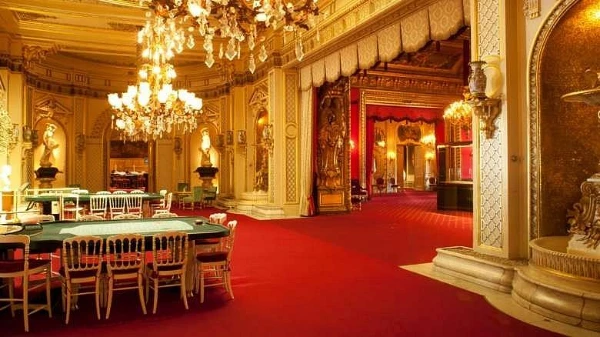
The casino’s celebrated interiors took shape during Édouard Bénazet’s expansion. Designers Séchan and Bérain worked in styles inspired by French royal residences, from Louis XIII to Louis XVI. The new halls opened on 11 August 1855.
Mirrors, painted ceilings and chandeliers gave the rooms their theatrical appearance. Guests did more than place bets: they exchanged news, attended dinners and joined balls. Musicians also helped establish Baden-Baden’s international reputation, making the Kurhaus an important cultural address.
At the end of the 1872 season, gambling was prohibited and the casino closed for more than sixty years. The wider building still hosted performances and social occasions. Its continuing role kept the salons closely tied to the town’s identity.
Why UNESCO Recognised Baden-Baden in 2021
Baden-Baden joined the Great Spa Towns of Europe, a UNESCO listing covering eleven towns in seven countries. It recognises a tradition in which mineral springs influenced town planning, health routines, tourism and entertainment.
The Kurhaus belongs to a larger historic setting. The Trinkhalle drinking hall, bathhouses, hotels, gardens and tree-lined walks reveal how visitors moved between treatment, exercise and leisure. The casino fitted into this daily routine rather than standing apart from it.
UNESCO did not grant the casino a gaming licence or award it a separate heritage designation. The recognised value lies in the connections between the architecture and the surrounding spa town. Those links explain why the gaming rooms matter even to visitors who have no interest in betting.
What Visitors Can See in 2026
The casino offers guided visits to its historic rooms, allowing tourists to appreciate the interiors without gambling. Tour availability varies, so checking the official schedule first is sensible. The Kurhaus stands at Kaiserallee 1, beside the central gardens.
Entry to the gaming area is limited to people aged 21 or over who present an original passport or identity card. Men need a jacket for traditional gaming; smart casual dress is requested for the slot-machine area. Guided tours may have different arrangements.
After visiting the Kurhaus, walk past the Trinkhalle and continue along Lichtentaler Allee. This route links the gaming halls with the green spaces and spa buildings that made Baden-Baden famous. UNESCO recognition reflects the whole townscape, not simply the splendour of its casino.