
Nice Beyond the Beach: Seeing the French Riviera Through Museums, Views and Local Districts
Nice is often reduced to its famous coastline, yet the city reveals far more when you move away from the seafront. Art collections, historic viewpoints and everyday neighbourhoods shape a more complete picture of the Riviera lifestyle. Travelling through these layers allows you to understand how culture, geography and local rhythm combine into a place that feels both Mediterranean and distinctly French.
Museums That Explain the Identity of Nice
Nice holds a concentration of museums that reflect both local heritage and international influence. The Matisse Museum, located in the Cimiez district, presents works created during the artist’s long stay in the city. These pieces are not just exhibitions but evidence of how the Mediterranean light influenced modern art.
Another key location is the Marc Chagall National Museum. It focuses on biblical themes interpreted through colour and symbolism, offering insight into how Nice became a refuge for artists in the 20th century. The museum’s design, with controlled natural light, reinforces the contemplative nature of the works.
The Museum of Modern and Contemporary Art (MAMAC) provides a contrast by showcasing post-war European and American movements. Its rooftop terrace also offers one of the most underrated views of the city, linking artistic exploration with the physical landscape of Nice.
How to Plan a Museum Route Efficiently
Grouping museums by location helps avoid unnecessary travel. Cimiez, for example, allows you to visit both the Matisse Museum and Roman ruins within walking distance. This area also feels quieter, making it suitable for a slower pace.
In the city centre, MAMAC can be combined with a walk through Place Garibaldi and the old town. This creates a route where historical architecture and contemporary art complement each other rather than compete for attention.
It is also worth checking opening hours carefully, as many museums in Nice close one day per week, often Monday or Tuesday. Planning around this detail can save time and prevent interruptions in your itinerary.
Viewpoints That Change Your Perspective
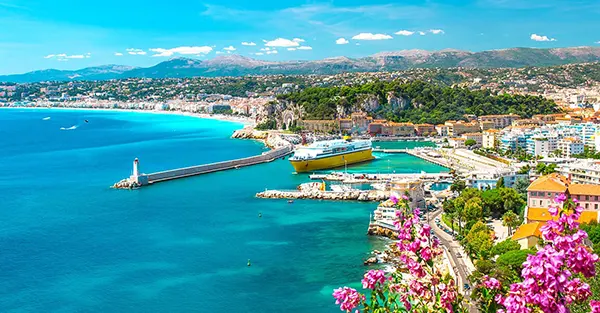
Nice is built between hills and the sea, which naturally creates elevated viewpoints. Castle Hill (Colline du Château) is one of the most accessible locations, offering panoramic views over the Promenade des Anglais and the port. The climb is moderate, but lifts are available for easier access.
Mont Boron provides a more extensive view that includes Villefranche-sur-Mer and the wider coastline. This area is less crowded and better suited for those looking to observe the geography of the Riviera rather than just take photographs.
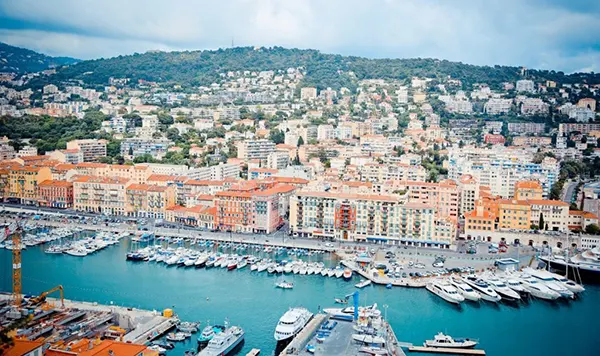
Even smaller viewpoints, such as the terraces near the port, reveal how the city’s layout connects residential zones with maritime activity. These perspectives help explain why Nice developed as both a cultural centre and a strategic coastal location.
Best Times and Conditions for Visiting Viewpoints
Early morning offers the clearest visibility, especially in summer when heat haze can reduce clarity later in the day. Light conditions at this time also highlight the contrast between the sea and the city’s pastel buildings.
Sunset remains popular, but it tends to attract larger crowds. If you prefer a quieter experience, consider visiting slightly before sunset or choosing less central viewpoints such as Mont Boron.
Weather plays a key role in visibility. After rainfall, the air is often clearer, making it one of the best times to visit elevated spots despite the less predictable conditions.
Local Districts That Show Everyday Life
Beyond tourist routes, Nice’s neighbourhoods provide a more grounded experience. The Libération district, for instance, is centred around a daily market where locals shop for fresh produce. This area reflects the practical side of life rather than curated attractions.
The Port district combines traditional fishing heritage with modern cafés and design shops. It has evolved in recent years but still retains a balance between residential life and visitor interest.
In contrast, Cimiez offers a quieter, more residential atmosphere with historical depth. Its wide streets and older buildings highlight a different side of Nice, one that feels detached from the busy coastline.
How to Explore Neighbourhoods Respectfully
Walking remains the most effective way to understand local districts. It allows you to notice small details such as shop signs, daily routines and architectural variations that are often missed when using transport.
Supporting local businesses, such as bakeries or independent shops, contributes to maintaining the character of these areas. It also provides a more authentic interaction compared to central tourist zones.
Finally, being mindful of residential life is important. These districts are not attractions in the traditional sense, so keeping noise levels low and respecting local customs ensures a more balanced experience for both visitors and residents.