
Luxembourg: Old Town, Casemates and Routes for a First Visit
Luxembourg may be one of Europe’s smallest countries, yet its capital combines medieval streets, dramatic cliffs, UNESCO-listed heritage and modern European institutions within a compact area. For first-time visitors, the city offers an easy introduction to Luxembourg’s history and culture. A few days are enough to walk through the Old Town, descend into the famous casemates, cross panoramic bridges and discover districts that reflect different periods of the country’s development.
Exploring Luxembourg’s Old Town
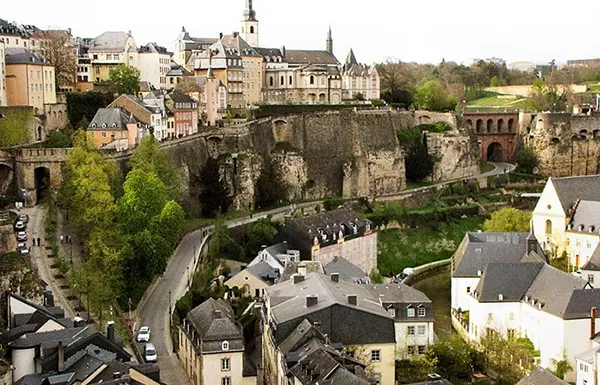
The historic centre of Luxembourg City is recognised as a UNESCO World Heritage Site due to its strategic position and well-preserved urban landscape. The Old Town sits on elevated rock formations above the Alzette and Pétrusse valleys, creating viewpoints that reveal why the city was once considered one of Europe’s strongest fortresses. Walking through the centre allows visitors to see centuries of architectural development within a relatively small area.
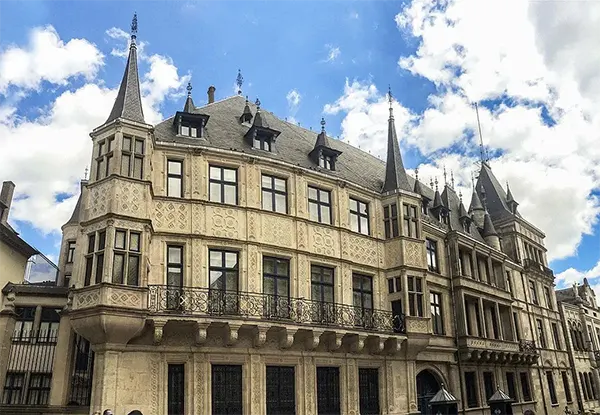
One of the most visited landmarks is the Grand Ducal Palace, the official residence of the Grand Duke of Luxembourg. Nearby, visitors can see Place Guillaume II, Notre-Dame Cathedral and several narrow streets lined with cafés, independent shops and historic buildings. The compact layout makes it possible to cover many key attractions on foot without relying heavily on public transport.
Another highlight is the Chemin de la Corniche, often described as one of the most scenic promenades in Europe. This elevated walkway provides sweeping views across the lower districts and ancient fortifications. The route is especially appealing during the morning and late afternoon when natural light enhances the city’s dramatic landscape.
What Makes the Historic Centre Special
Unlike many European capitals, Luxembourg City combines medieval heritage with contemporary urban life without creating a sharp divide between the two. Government buildings, local businesses and residential areas coexist within historic surroundings, giving visitors an authentic impression of daily life rather than a museum-like environment.
The city’s multilingual culture is another distinguishing feature. Luxembourgish, French and German are widely used, while English is commonly spoken in tourist areas. This diversity reflects the country’s role as a meeting point between several European cultures and contributes to a welcoming atmosphere for international visitors.
Many first-time travellers appreciate the city’s manageable size. Major attractions are located close together, allowing visitors to spend more time exploring and less time travelling. This convenience makes Luxembourg City particularly suitable for weekend breaks and short cultural trips.
Visiting the Famous Casemates
The Bock Casemates represent one of Luxembourg’s most important historical attractions. Originally developed during the seventeenth century and expanded under different European powers, these underground tunnels formed part of a vast defensive network. At their peak, the passages stretched for many kilometres and played a significant role in protecting the city during military conflicts.
Today, visitors can enter selected sections of the tunnels and gain insight into the engineering achievements that contributed to Luxembourg’s reputation as the “Gibraltar of the North”. Stone corridors, observation points and defensive chambers demonstrate how the fortress operated over several centuries.
The casemates also provide remarkable views over the surrounding valleys and historic districts. Openings carved into the rock reveal perspectives that are difficult to obtain elsewhere in the city. Combining historical information with impressive scenery, the site remains one of the most rewarding experiences for newcomers.
Practical Information for First-Time Visitors
Comfortable footwear is strongly recommended when visiting the casemates. Uneven surfaces, stairs and narrow passages are common throughout the underground network. While most sections are accessible to visitors with average mobility, some areas may be challenging for those seeking step-free routes.
Spring and early autumn are often considered the most pleasant periods for exploration. Temperatures are moderate, and visitor numbers are generally lower than during the busiest summer weeks. Booking tickets in advance can help reduce waiting times during peak travel periods.
Travellers interested in military history may also wish to visit the Luxembourg City History Museum and nearby fortress remains. Together, these attractions provide broader context about the city’s strategic importance and the events that shaped its development over many centuries.
Suggested Routes for a First Trip to Luxembourg
A one-day route can begin in the Old Town, continue through the Bock Casemates and finish with a walk along the Chemin de la Corniche. This itinerary covers many of the city’s most famous landmarks while remaining manageable for visitors with limited time. Several cafés and restaurants along the route provide convenient opportunities for breaks.
Travellers with two or three days available can extend their exploration beyond the city centre. The Grund district, located below the cliffs, offers picturesque streets and riverside scenery. Kirchberg presents a contrasting modern landscape with European Union institutions, museums and contemporary architecture.
Those wishing to see more of the country can use Luxembourg’s efficient transport network to reach destinations such as Vianden, Echternach and the Müllerthal region. Public transport throughout Luxembourg has remained free for passengers in recent years, making day trips both simple and cost-effective.
How to Make the Most of Your First Visit
Starting each day early allows visitors to enjoy major attractions before crowds arrive. Early mornings are particularly rewarding at panoramic viewpoints where visibility is often at its best and photography conditions are favourable.
Local cuisine deserves attention alongside sightseeing. Traditional dishes such as Judd mat Gaardebounen, Gromperekichelcher and Luxembourgish pastries provide insight into the country’s culinary traditions. Many restaurants combine local recipes with influences from neighbouring France, Germany and Belgium.
For travellers seeking a balanced introduction to Luxembourg, combining historical sites, scenic walks and a short excursion outside the capital creates a well-rounded experience. The country’s compact size, excellent infrastructure and rich heritage allow visitors to gain a meaningful understanding of Luxembourg even during a relatively short stay.