
Bruges for a Weekend: How to See More Than the Postcard Centre
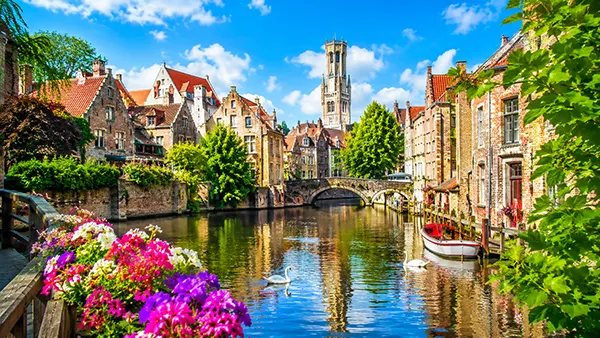
Bruges is often reduced to canal photographs, horse-drawn carriages and crowded squares around the Belfry. Yet the city offers far more than the familiar postcard image. A weekend in Bruges can include medieval neighbourhoods with almost no tourist traffic, independent cafés hidden behind brick facades, local markets, quiet canals, cycling routes and museums that many visitors completely miss. Travellers who plan their time carefully can experience a more authentic side of the Belgian city without rushing from attraction to attraction. Bruges remains compact enough for slow exploration, but detailed enough to reward curiosity beyond the central streets.
Walking Beyond Markt Square and the Main Tourist Streets
The majority of first-time visitors remain concentrated around Markt Square, Burg Square and Rozenhoedkaai. These areas are beautiful, but they represent only a small part of Bruges. A more rewarding approach is to move gradually into the quieter districts surrounding the historic centre. Streets near Sint-Anna, for example, preserve the same medieval architecture while attracting far fewer organised tour groups. The atmosphere changes noticeably within ten minutes of walking from the busiest canals.
The eastern side of Bruges offers some of the city’s most peaceful scenery. Windmills along the Kruisvest canal create a different visual character compared with the commercial centre. The area around Sint-Janshuismolen and Koeleweimolen feels calmer, particularly in the early morning when locals cycle to work and bakery deliveries move through the narrow streets. Travellers interested in photography often find this district more rewarding because there are fewer crowds blocking the views.
Another overlooked route follows the canals south toward Minnewater Park and the Beguinage. While these locations are not unknown, many visitors only spend a few minutes there before returning to the centre. Spending more time in this area reveals hidden gardens, small bridges and residential lanes that show how Bruges functions beyond tourism. The city becomes quieter after sunset, especially outside the central shopping streets, making evening walks one of the best ways to appreciate its medieval layout.
Neighbourhoods That Reveal the Daily Life of Bruges
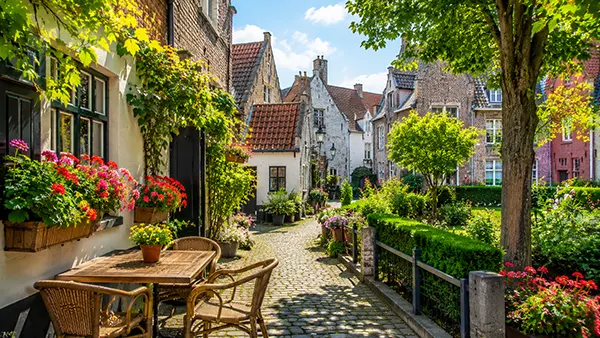
Sint-Gillis is one of the most interesting neighbourhoods for travellers searching for local character. Independent bakeries, family-owned cafés and small antique shops dominate the area instead of souvenir businesses. Many residents have lived here for decades, and the district maintains a slower rhythm than the centre. Small canals cross residential streets lined with traditional Flemish houses, creating the atmosphere many visitors expect from Bruges but rarely find near the busiest landmarks.
The Langestraat area also deserves attention during a weekend visit. Historically associated with trade and working-class communities, it now combines local bars, art spaces and relaxed restaurants. During weekends, residents gather in terraces and beer cafés that feel entirely separate from the tourist-focused venues near Markt Square. Belgian craft beer culture remains important here, and smaller establishments often offer regional selections unavailable in larger bars.
Travellers with additional time should also consider exploring the outskirts by bicycle. Bruges has well-developed cycling infrastructure, and nearby villages such as Damme provide a quieter perspective on West Flanders. The route between Bruges and Damme follows canals and open countryside, contrasting sharply with the dense medieval centre. This short journey helps visitors understand the wider landscape that shaped the city’s historical wealth and trading importance.
Food, Cafés and Belgian Traditions Outside Tourist Menus
Many restaurants in central Bruges target short-term visitors with simplified menus and inflated prices. While traditional Belgian dishes are available throughout the city, better quality often appears outside the busiest streets. Local residents frequently avoid restaurants directly surrounding Markt Square, preferring smaller establishments in side streets or residential districts. Searching beyond the obvious locations usually leads to fresher ingredients and more authentic regional cooking.
Belgian cuisine in Bruges extends far beyond waffles and chocolate shops. Flemish beef stew cooked with dark beer remains one of the region’s classic dishes, while North Sea mussels continue to appear seasonally in local restaurants. Belgian fries are also treated seriously, with many independent frituur vendors preparing them using traditional double-frying methods. Weekend travellers who try smaller neighbourhood eateries often gain a more accurate understanding of local food culture.
Café culture plays an equally important role in Bruges. Independent coffee houses have expanded significantly across the city during recent years, especially since international tourism resumed strongly after the pandemic years. Many cafés now combine speciality coffee with locally produced pastries and quiet interiors suited to longer visits. Morning hours are particularly enjoyable before day-trip crowds arrive from Brussels and nearby cruise destinations.
Where to Find a More Authentic Taste of Bruges
The streets surrounding Jan van Eyckplein contain several smaller dining venues that remain less crowded than restaurants directly beside the canals. The atmosphere here is calmer, particularly during weekday evenings. Travellers interested in Belgian beer often discover that bartenders in these areas provide more detailed recommendations and regional knowledge compared with highly commercial venues designed for rapid tourist turnover.
Chocolate shops also vary considerably in quality. Bruges has hundreds of confectionery stores, but not all produce handmade products locally. Smaller chocolatiers working with limited batches often provide more interesting flavours and higher cocoa quality. Some independent businesses specialise in pralines inspired by Belgian traditions rather than mass-produced tourist assortments. Asking staff about sourcing and production methods usually reveals which shops genuinely focus on craftsmanship.
For travellers interested in markets, Bruges occasionally hosts local food events and seasonal fairs around smaller squares outside the centre. Fresh produce markets near ‘t Zand attract residents shopping for cheese, vegetables and regional products. Visiting these markets offers a practical look at daily life while also providing opportunities to try Flemish specialities without restaurant prices. Saturdays are usually the busiest and most interesting days for local market activity.
How to Plan a Weekend Without Feeling Rushed
One of the most common mistakes visitors make in Bruges is trying to see every famous attraction within a single day. The city rewards slower exploration instead. Spending time in quieter districts, pausing in cafés and walking along less crowded canals creates a far more memorable experience than constantly moving between landmarks. Bruges remains compact enough that travellers can comfortably explore on foot without strict schedules.
Accommodation choice also influences the overall experience. Staying slightly outside the busiest centre often provides better value and a quieter atmosphere at night. Areas near the train station or southern canals still allow easy access to the historic centre while avoiding the noisiest tourist zones. Morning and late evening walks become significantly more pleasant once the large day-tour groups leave the city.
Transport connections make Bruges particularly suitable for weekend travel. Direct trains from Brussels reach the city in roughly one hour, while connections from Ghent and Antwerp are also straightforward. Travellers arriving from neighbouring countries often combine Bruges with other Belgian cities, though many discover that Bruges deserves more than a quick daytime stop. Spending at least two nights allows enough time to experience the city beyond its postcard image.
Practical Tips for Seeing a Different Side of the City
Timing matters greatly in Bruges. Early mornings offer the quietest streets, especially near canals that become crowded later in the day. Photographers and travellers seeking a calmer atmosphere benefit from walking through the centre before 9 a.m. Evenings after dinner can also feel surprisingly peaceful once organised groups and day visitors leave.
Museum selection deserves careful planning as well. While the Groeningemuseum and Historium remain popular, smaller museums often provide more focused experiences. The Sint-Janshospitaal museum combines medieval history with Flemish art, while the Lace Centre explains an important local tradition that shaped Bruges for centuries. These quieter museums generally allow visitors more time and space to appreciate exhibitions properly.
Finally, travellers should avoid treating Bruges solely as a checklist destination. The city’s appeal comes from atmosphere, details and gradual discovery rather than constant activity. A relaxed pace allows time to notice hidden courtyards, church bells echoing through narrow streets and reflections across still canals during the evening. Those moments often become the most memorable parts of a weekend in Bruges.