
Reykjavík (Iceland): City Locations and Short Nature Escapes
Reykjavík is often described as a compact capital, yet its real value lies in how easily urban life connects with raw Icelandic nature. Within minutes, you can move from modern streets and cultural landmarks to geothermal landscapes, coastal views, and volcanic terrain. This balance makes the city a practical base for travellers who want both structured sightseeing and spontaneous outdoor experiences without long transfers.
Urban Reykjavík: Key Districts and Cultural Spots
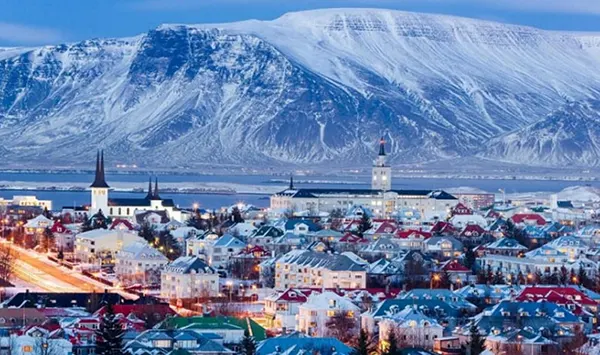
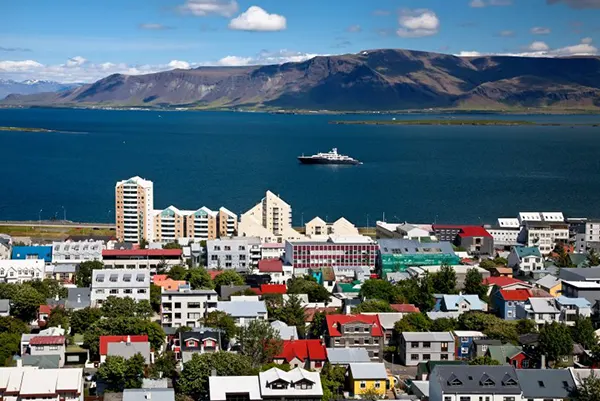
The city centre is organised around Laugavegur, the main street where cafés, independent shops, and galleries reflect contemporary Icelandic culture. It is not overly crowded compared to other European capitals, which allows visitors to explore at a steady pace. The architecture mixes colourful houses with minimalist Nordic design, creating a recognisable visual identity.
Hallgrímskirkja is one of the most important landmarks, not only for its height but also for its symbolic design inspired by basalt columns. From the tower, visitors get a clear overview of the city’s layout, coastline, and surrounding mountains. Nearby, Harpa Concert Hall represents modern Reykjavík, with its glass façade reflecting the changing light throughout the day.
The Old Harbour area has evolved from a fishing zone into a cultural and gastronomic space. Whale-watching tours depart from here, while restaurants focus on local seafood. The area also hosts small museums and creative studios, giving insight into both historical and modern aspects of Icelandic life.
Local Experiences and Everyday Atmosphere
Reykjavík’s swimming pools are part of daily life rather than tourist attractions. Facilities like Laugardalslaug offer geothermal hot tubs, steam rooms, and outdoor lanes used year-round. Visiting one provides a direct understanding of how locals relax and socialise.
Food culture in Reykjavík is shaped by availability and sustainability. Menus often include lamb, Arctic char, and cod, alongside modern interpretations of Nordic cuisine. Street food options such as pylsur (Icelandic hot dogs) remain popular and accessible.
The city’s pace is noticeably slower than in larger European capitals. Shops close earlier, and nightlife is concentrated on weekends. This rhythm allows travellers to combine sightseeing with rest, which is particularly useful when planning early departures for nature trips.
Short Nature Trips Within Easy Reach
One of Reykjavík’s main advantages is its proximity to природные ландшафты. The Golden Circle route is the most popular option, covering Þingvellir National Park, Gullfoss waterfall, and the Geysir geothermal area. The route can be completed in a single day, making it suitable even for коротких поездок.
Þingvellir is historically significant as the site of Iceland’s first parliament, but it is equally known for its geological features. Visitors can walk between tectonic plates, which is a rare experience available without specialised equipment.
Gullfoss and Geysir demonstrate Iceland’s природная энергия. The waterfall shows the power of glacial rivers, while the geysers highlight geothermal activity. These locations are well maintained, with clear paths and viewing platforms.
Coastal and Geothermal Alternatives
The Reykjanes Peninsula is often overlooked but offers вулканические поля, lava formations, and geothermal zones within an hour from Reykjavík. It is also the location of the Blue Lagoon, which combines spa facilities with natural geothermal water.
For a quieter option, the Seltjarnarnes peninsula provides coastal walking routes and views of the Grótta lighthouse. It is accessible by public transport or a short drive, making it suitable for half-day visits.
Mount Esja, visible from the city, is a common hiking destination. Trails vary in difficulty, allowing both casual walkers and experienced hikers to reach viewpoints overlooking Reykjavík and Faxaflói Bay.
Planning Your Time Efficiently in Reykjavík
Due to the compact size of the city, accommodation location is less critical than in larger destinations. Most central hotels and apartments are within walking distance of main attractions, reducing the need for transport.
Weather conditions in Iceland can change rapidly, even within a single day. It is advisable to keep plans flexible, especially for outdoor trips. Checking local forecasts in the morning helps prioritise activities.
Transport options include buses, car rentals, and organised tours. Renting a car provides the most flexibility, but guided tours are practical for first-time visitors who prefer structured itineraries.
Seasonal Considerations and Travel Timing
Summer offers long daylight hours, sometimes up to 20 hours, which allows extended exploration. However, this is also the busiest period, and prices tend to be higher.
Winter brings shorter days but introduces opportunities to see the Northern Lights. Reykjavík serves as a convenient base for aurora tours, which usually take place outside the city to avoid light pollution.
Shoulder seasons, such as May and September, provide a balance between accessibility and lower туристический поток. During these months, many routes remain open while accommodation and tour availability improve.