
Chichén Itzá in 2026: how to avoid crowds, manage heat, and plan a smarter visit
Chichén Itzá remains one of Mexico’s most visited archaeological sites, and in 2026 the challenge is no longer access, but timing and strategy. The ruins themselves have not changed, yet visitor numbers, climate patterns, and on-site rules shape the experience far more than most travellers expect. A well-planned visit allows you to understand the site’s cultural importance without spending hours in queues or walking under extreme heat.
Visiting hours, tickets, and real conditions on site
Chichén Itzá operates with fixed daytime hours, opening in the morning and closing in the late afternoon. The most important practical detail is that entry is not flexible once you arrive late: last admission is strictly enforced, and arriving after midday already means missing the calmest part of the day. Early arrival remains the single most effective way to reduce stress and exposure to heat.
Ticketing in 2026 follows a dual-fee structure. Visitors must pay a federal archaeological access fee as well as a local state charge. These are handled together at the entrance, but they are legally separate, which explains why prices may appear split on official notices. Keeping your receipt is essential, as checks can occur beyond the main gate.
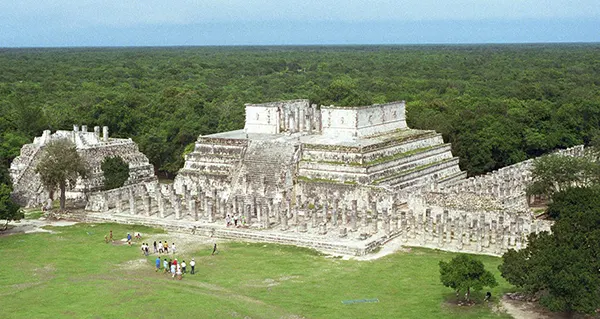
Facilities inside the site are limited by design. Shade is scarce in the central ceremonial areas, seating is minimal, and food options are basic. This is intentional to preserve the site, but it means visitors must be prepared before entering rather than relying on comfort services once inside.
Why the first hour defines the entire visit
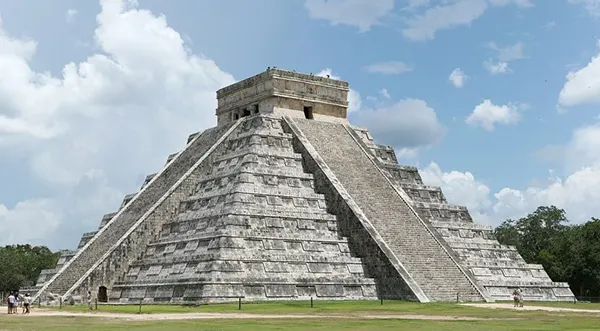
The first hour after opening is when Chichén Itzá feels most like an archaeological site rather than a tourist corridor. Pathways are clear, security checks move quickly, and visibility around the main structures is unobstructed. This window is ideal for understanding the spatial layout of the complex.
By mid-morning, organised groups begin to cluster around the most recognisable monuments. Movement slows, temperatures rise rapidly, and short distances start to feel exhausting. Visitors who used the early hour efficiently can already step away from the busiest zones at this point.
Those who miss the early window often try to compensate by rushing, which leads to fatigue and frustration. In practice, a slower pace later in the day works only if the core landmarks were already seen under calmer conditions.
Managing heat and physical strain during the walk
The Yucatán climate is not forgiving, especially between late spring and early autumn. Stone surfaces absorb heat quickly, and wide open plazas offer little natural protection from the sun. In 2026, average daytime temperatures during the hotter months regularly exceed levels that feel comfortable for extended walking.
Heat exposure at Chichén Itzá is cumulative. Even visitors who feel fine during the first hour often experience sudden fatigue later, particularly if hydration and pacing are ignored. This is why planning rest intervals is just as important as choosing which structures to see.
Clothing choices matter more here than at most historical sites. Light fabrics, proper footwear, and sun protection are not optional details but practical necessities that directly affect how long you can stay attentive and engaged.
How to pace the route without cutting it short
A realistic walking plan avoids unnecessary backtracking. Each return to the central plazas increases exposure to heat and crowds. Moving in a loose loop rather than a stop-and-return pattern conserves both energy and time.
Short pauses in peripheral areas are more effective than long stops near the main pyramid. Even a small shift away from the centre reduces noise, pressure from passing groups, and direct sunlight, making breaks more restorative.
Visitors who accept that not every structure needs equal time tend to enjoy the experience more. Understanding why a building matters is often more valuable than standing in front of it for extended periods.
Choosing the right season and day of the week
Seasonal timing has a measurable impact on comfort. Late autumn and winter months generally provide the most balanced conditions, with lower humidity and milder temperatures. These periods also tend to produce steadier visitor flows rather than sharp midday peaks.
Spring remains popular, but by April and May the heat becomes a dominant factor. During these months, early starts are essential, and midday exploration should be deliberately limited rather than treated as normal walking time.
Day selection matters as well. Weekdays usually offer a smoother rhythm, while weekends concentrate domestic travel and organised tours. Even a single-day adjustment can noticeably change the density of visitors encountered on site.
Combining Chichén Itzá with the rest of the day
A successful visit does not need to fill the entire day. Many experienced travellers treat Chichén Itzá as a focused morning activity rather than an all-day commitment. This approach reduces fatigue and improves overall recall of what was seen.
Afternoons are often better spent away from open stone areas, whether resting in a nearby town or visiting a cenote where temperatures feel more forgiving. This balance prevents the ruins from becoming physically overwhelming.
By aligning the visit with natural energy levels and climate realities, Chichén Itzá becomes an enriching cultural experience rather than an endurance test. Planning, not speed, is what ultimately defines a good day at the site.