
Lake Bled, Slovenia: How to Plan a Calm Route Around the Country’s Most Iconic Landscape
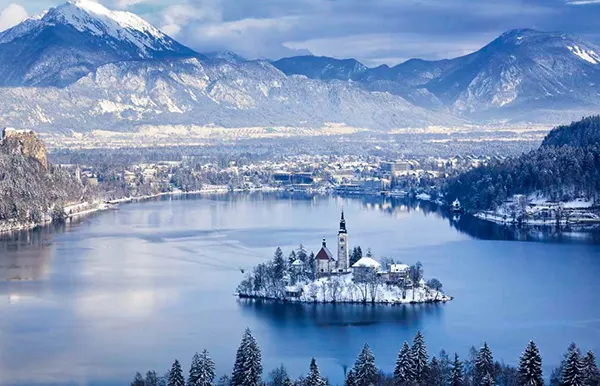
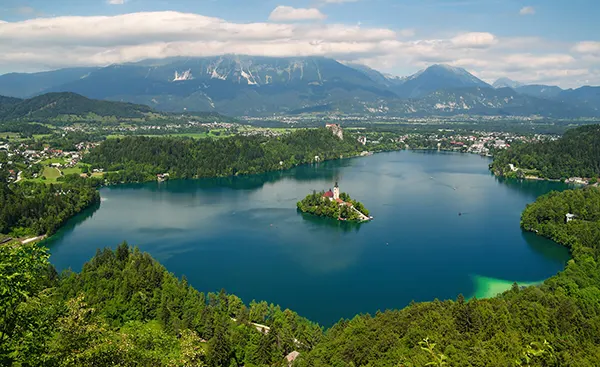
Lake Bled remains one of the most recognisable natural locations in Slovenia, known for its island church, medieval castle and Alpine backdrop. Despite its popularity, it is still possible to experience the area at a slower pace by choosing the right routes, timing and viewpoints. A well-planned itinerary allows visitors to avoid peak crowds, appreciate the lake’s natural rhythm and understand why this location continues to hold cultural and historical importance in 2026.
Understanding the Layout of Lake Bled Before You Start
The lake itself forms a circular walking route of approximately 6 kilometres, making it accessible for most travellers with basic fitness. The path is well-maintained and mostly flat, which means it can be completed in around 1.5 to 2 hours without stops. However, rushing through it would mean missing many of the quieter corners that define the experience.
The northern and western shores tend to be less crowded early in the morning, particularly outside the summer peak season. These areas offer uninterrupted views of Bled Castle and the island, especially when the water is calm. In contrast, the eastern side near the main town has more cafés, hotels and organised activities, which naturally attract more visitors.
Timing plays a key role in shaping the route. Arriving just after sunrise or later in the evening significantly changes the atmosphere, allowing for a more reflective walk. Light conditions also influence how the lake appears, with softer tones in the early hours and stronger contrasts during midday.
Choosing the Best Starting Point for a Relaxed Walk
Starting from the quieter western edge of the lake is often the most effective way to build a calm route. This area, near the Mala Osojnica viewpoint trail, provides immediate access to scenic sections without passing through busy commercial zones. It also allows for a gradual introduction to the landscape rather than an abrupt immersion into crowds.
Another practical option is to begin near the rowing centre in the north, where the surroundings are more open and less developed. From here, the path gently curves along the shoreline, offering consistent views without interruptions from heavy foot traffic.
Parking and accessibility should also be considered. Smaller parking areas slightly outside the central zone are often less congested and provide a more peaceful entry point. This small adjustment can significantly improve the overall experience.
Key Viewpoints That Shape the Experience
While the lakeside path is visually appealing throughout, certain elevated viewpoints provide a broader understanding of the landscape. These spots reveal the relationship between the lake, the island and the surrounding Julian Alps, offering perspectives that cannot be seen from ground level.
Mala Osojnica is one of the most well-known viewpoints, reached via a short but steep forest trail. The climb takes around 20–30 minutes, and although it requires moderate effort, the view from the top is widely considered one of the most complete panoramas of Lake Bled.
Ojstrica is another option, slightly lower and easier to access. It is particularly suitable for those looking for a shorter ascent without compromising on the view. Both locations are best visited early in the morning or before sunset to avoid congestion and harsh lighting.
Balancing Walking and Short Climbs in Your Route
Combining the lakeside walk with one or two viewpoint hikes creates a more varied and engaging route. Instead of treating the walk as a continuous loop, it can be broken into segments with planned detours to elevated spots.
This approach also allows for natural pauses, reducing fatigue and making the experience feel less structured. For example, completing half the lake loop before ascending to Ojstrica provides a logical progression without overexertion.
Footwear and preparation are important, even for short climbs. Trails can be uneven or slippery after rain, and having appropriate shoes ensures safety without limiting movement. Carrying water is also advisable, especially during warmer months.
Practical Tips for a Calm and Meaningful Visit
A calm route around Lake Bled is not only about geography but also about behaviour and expectations. Avoiding peak tourist hours, choosing less obvious paths and limiting the number of planned activities can transform the visit into a more personal experience.
Boat trips to Bled Island, known as “pletna” rides, are a traditional feature of the lake. However, they are often busiest during midday. Visiting the island either early or late in the day reduces waiting times and creates a quieter atmosphere around the church and its surroundings.
Food and rest stops should be selected carefully. Instead of stopping at the most visible lakeside cafés, exploring smaller establishments slightly away from the main promenade often leads to a more relaxed setting and a more authentic impression of local life.
When to Visit Lake Bled for the Best Conditions
Seasonal variation has a noticeable impact on the overall experience. Spring and early autumn are generally considered the most balanced periods, offering mild weather and fewer visitors. During these months, the lake maintains its visual clarity while avoiding the intensity of summer crowds.
Winter presents a different perspective, with occasional snow adding contrast to the landscape. Although some facilities may be limited, the reduced number of tourists creates a quieter environment that appeals to those seeking solitude.
Weather conditions should always be checked in advance. Fog, rain or strong sunlight can significantly alter visibility and comfort levels. Planning with flexibility ensures that the route remains enjoyable regardless of changing conditions.